_edited.png)
New Car Paint Protection: What Happens to Your Paint in the First 12 Months?
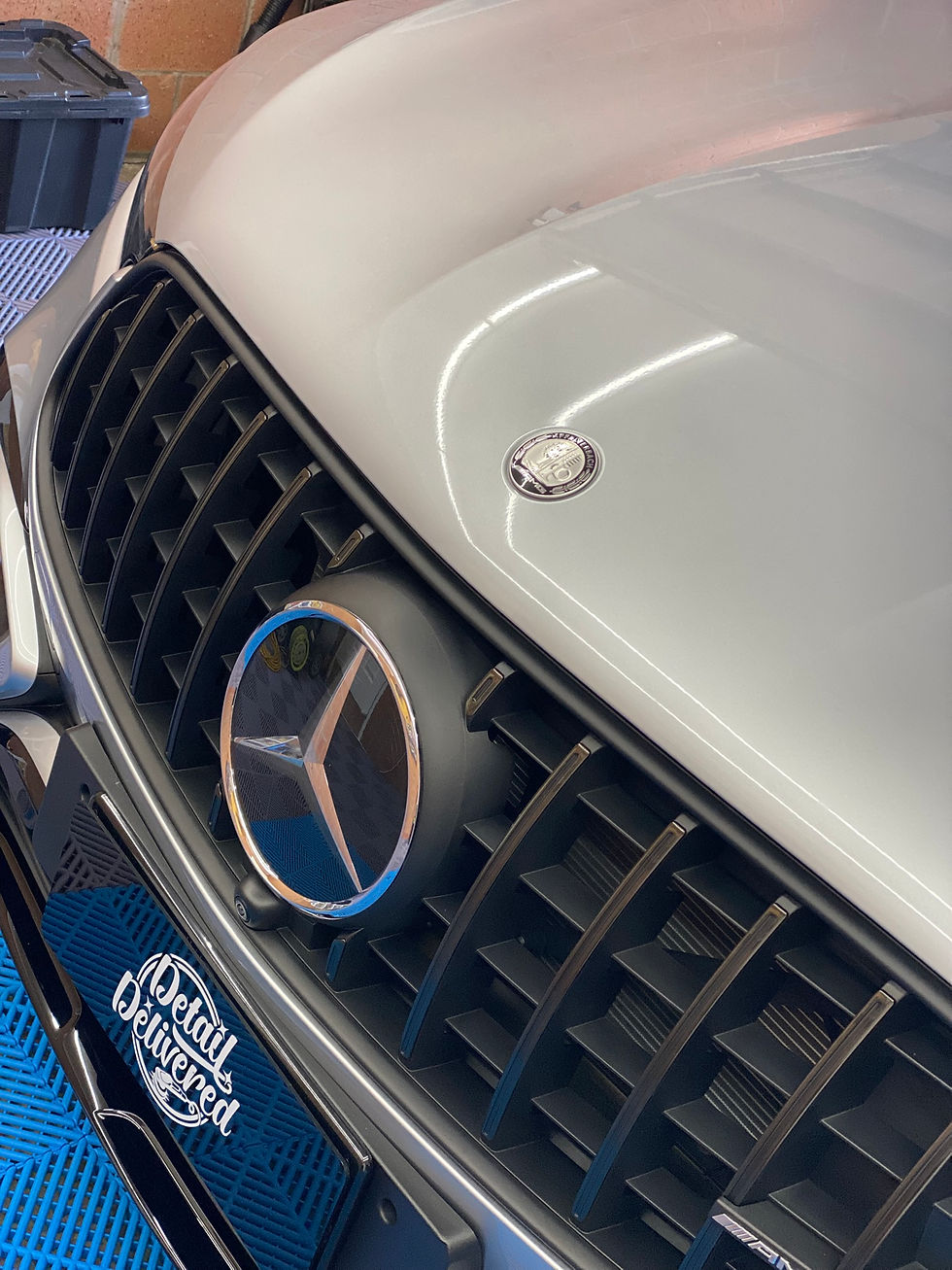
That brand-new paint won't stay brand new forever.
From the moment your vehicle leaves the dealership, its paint starts dealing with sunlight, rain, road grime, bugs, bird droppings, washing, mineral deposits and everything else Australian roads can throw at it.
The changes aren't always obvious.
Your car probably won't suddenly look terrible after six months. Instead, small defects and contamination gradually accumulate until one day the paint simply doesn't look as crisp as you remember.
That's why new car paint protection is worth thinking about at the beginning of ownership rather than several years down the track.
The First Few Weeks: Your Paint May Already Have Defects
Here's something many new-car owners don't expect:
Your paint may not actually be perfect on delivery day.
Before reaching you, a vehicle may have travelled internationally, spent time at a port or storage yard, been transported by truck and undergone dealership preparation.
During that process, the exterior can be washed and handled multiple times.
We've seen new vehicles arrive with:
Light swirl marks
Water spots
Wash marring
Fine scratches
Adhesive residue
Environmental contamination
This doesn't mean every new vehicle needs extensive paint correction.
It means every vehicle should be assessed before long-term protection is applied.
Why New Car Paint Protection Makes Sense Early
The best time to protect paint is while it's still in excellent condition.
Professional new car paint protection creates a sacrificial layer over the clear coat before years of environmental exposure and regular washing begin taking their toll.
A quality ceramic or graphene coating can provide resistance against UV exposure, chemicals and environmental contamination while making the vehicle substantially easier to wash.
Instead of waiting for the paint to deteriorate and then trying to restore it, you're starting with a good finish and helping preserve it.
Months 1–3: Washing Starts to Matter
For many cars, the first few months are when wash-induced defects begin appearing.
This doesn't happen because the paint suddenly becomes softer.
It happens because washing involves physical contact with the vehicle.
Dirty sponges, automatic brush washes, poor drying towels and wiping dusty paint can all introduce fine scratches into the clear coat.
On darker vehicles, these often become visible as swirl marks in direct sunlight.
A professionally ceramic-coated vehicle is generally easier to clean because dirt and contamination have a harder time bonding to the surface.
Less aggressive cleaning means less unnecessary contact with the paint.
Months 3–6: Environmental Contamination Builds Up
Now your vehicle has spent months outside.
It has probably encountered bird droppings, bug splatter, road grime, tree sap, brake dust, mineral deposits and other environmental contamination.
Some of it washes away easily.
Some doesn't.
Bonded contamination can gradually make paint feel rough and reduce its gloss, even when the vehicle looks relatively clean from a distance.
And in Brisbane's heat, contaminants such as bird droppings and bug residue shouldn't be left baking on paint unnecessarily.
A ceramic coating provides an additional sacrificial barrier, but even protected vehicles should have significant contamination removed promptly.
Months 6–12: Brisbane's Sun Doesn't Take a Day Off
Queensland's climate is one of the strongest arguments for taking paint protection seriously.
Vehicles can spend hours every day exposed to heat and UV radiation.
Modern factory clear coat is designed to protect the colour underneath, but it's still exposed to the environment every time the vehicle leaves the garage.
Professional ceramic and graphene coatings add another layer of UV and chemical resistance over that clear coat.
For vehicles regularly parked outside, this becomes particularly valuable over years of ownership.
Does a New Car Need Paint Correction Before Ceramic Coating?
Sometimes — but not always. This is an important distinction.
We don't believe in unnecessarily Correction a new vehicle simply because a ceramic coating is being installed. If no correction is required we would go ahead with a paint enhancement polish.
Also, if the paint is already in excellent condition, the preparation should reflect that.
If inspection reveals swirl marks, haze, water spotting or other defects, appropriate paint correction can improve the finish before protection is applied.
Why?
Because ceramic coating doesn't hide scratches.
Once you install long-term protection, you're preserving the finish underneath it.
It makes sense to get that finish right first.
What Does Ceramic Coating Actually Add?
A professionally installed ceramic or graphene coating can provide a combination of:
Hydrophobic water behaviour
Enhanced gloss
UV resistance
Chemical resistance
Easier washing
Resistance to environmental contamination
A sacrificial layer over the factory clear coat
What it doesn't provide is immunity from damage.
Your vehicle can still get stone chips.
It can still be scratched.
Bird droppings shouldn't be left on it indefinitely.
And poor washing can still create swirl marks.
Good paint protection should come with realistic expectations rather than promises that nothing can ever damage your car again.
Is Dealer Paint Protection the Same as Professional Detailing?
Don't compare paint protection purely by the word "ceramic" on the paperwork.
The product matters, but preparation and application matter just as much.
Before choosing any new car ceramic coating package, find out what's actually included.
Will the paint be inspected?
Is decontamination included?
Will existing defects be addressed?
What coating is being installed?
How long does it need to cure?
What maintenance does the warranty require?
A coating can only protect the surface it's applied to.
The preparation underneath it is a major part of the final result.
New Car Paint Protection Is About the Next Five or Ten Years
It's easy to look at a brand-new car and think it doesn't need detailing because it already looks good.
That's precisely the point.
You're not trying to rescue neglected paint.
You're trying to preserve a finish that's still close to new.
At Detail Delivered, we provide professional paint correction and long-term ceramic and graphene paint protection for new and used vehicles in Brisbane.
Every new vehicle is assessed individually so we can determine what preparation it actually needs before applying protection.
If you've recently bought a new car — or you're waiting for one to arrive — contact Detail Delivered to discuss protecting the paint from the beginning rather than correcting years of damage later.
Comments